So it is change from one kind of electrical signal to another. And I am being serious here! That is the basic fundamental of V to F converters! It turns an electrical signal, known as a voltage power that is used by various types of cable circuits into frequency. However, a frequency signal is formulated which gives us the density of events over time. It works by using a concept called the resistance-capacitance (RC) time constant.
Here, let us divide it minutely. How it works: A capacitor is a device that stores small bits of electrical energy, similar to how a battery does but designed for quick bursts of power. Energy from a voltage signal passes into the capacitor through that resistor and charge gathers in one plate of plates, filling up with energy which is slowly released again. This causes a voltage change that corresponds to the time it takes for the capacitor to charge and discharge. This changing voltage can be converted into a useful frequency signal that we need by interfacing with the capacitor through two oscillation circuits and connecting a frequency generator at one end of circuit.
Today in electronic devices V to F converters used everywhere. A common application is in frequency measurement. They also help digital multimeters measure how rapidly a signal occurs in a given time. This is incredibly relevant for keeping in mind while using electrical devices. We also use these converters to send the value data. Fault convertors can also be called V to F converters that change continuous signals (usually analog) into a set of discrete values or digital output. Digital transmission also allows for more efficient communication between devices over long distances.
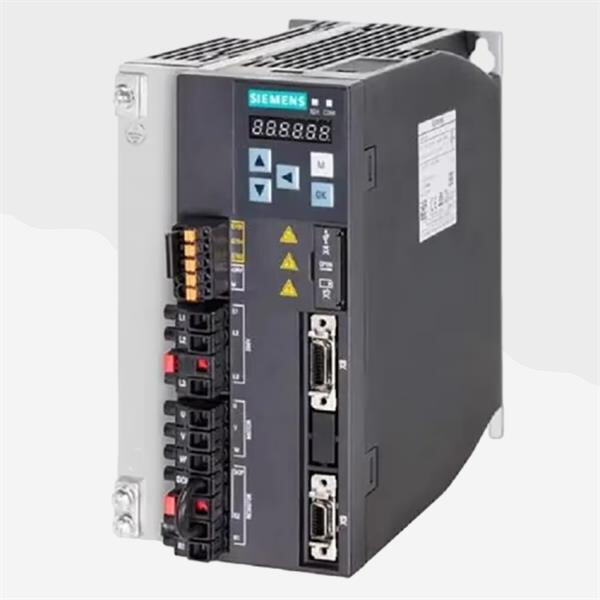
Signals… We like to modify them in some cases, in order for the end result that we desire. During this process, if we try to extract perticular information from a signal it is little bit harder and time consuming. V to F converters are easier in making as they convert the voltage signal into frequency signals. Working with a frequency signal, on the other side of things is way more easier. That is, frequency signals are easier to filter, amplify and scale than voltage signals. So it is simply like having a map which will show our exact location and all we have to do next!
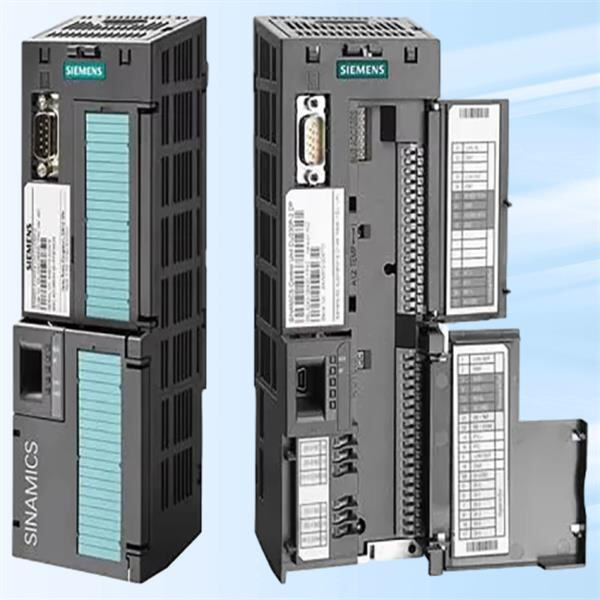
We need to make sure that whenever you measure and record signals, the same happens accurate. In order to extract accurate information we must be specific. Accuracy: V to F converts are high accurate. As The frequency is accurately controlled by the capacitor and resistor in a circuit. This makes them ideal for the use in surgical instruments, where precision is of utmost importance; scientific instrumentation that depends on accurate measurements being taken and any machine part within a factory which relies upon exact readings (feedback systems) to operate correctly.
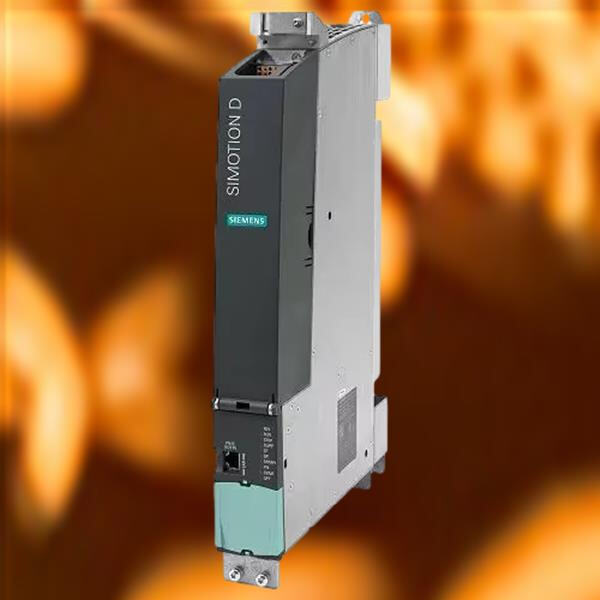
In today's world, V to F converters are increasingly becoming part of our daily lives with the advancement in technology. These are used in new and unique methods to get electronic devices working better than they ever have before, with the notable vehicle component being; copper. A very good example is the V to F converter which enables solar panels with continuously varying DC voltage output to supply our homes on normal clean energy AC, such as simply mains electricity. They even help smart home systems switch lights and temperature at our homes, converting signals from disparate sensors into a frequency language that the microcontroller can then decode to produce an actuation result.
 EN
EN
 AR
AR
 BG
BG
 HR
HR
 CS
CS
 DA
DA
 NL
NL
 FI
FI
 FR
FR
 DE
DE
 EL
EL
 HI
HI
 IT
IT
 JA
JA
 KO
KO
 NO
NO
 PL
PL
 PT
PT
 RO
RO
 RU
RU
 ES
ES
 SV
SV
 CA
CA
 TL
TL
 IW
IW
 ID
ID
 LV
LV
 LT
LT
 SR
SR
 SK
SK
 SL
SL
 UK
UK
 VI
VI
 SQ
SQ
 ET
ET
 GL
GL
 HU
HU
 MT
MT
 TH
TH
 TR
TR
