 EN
EN
 AR
AR
 BG
BG
 HR
HR
 CS
CS
 DA
DA
 NL
NL
 FI
FI
 FR
FR
 DE
DE
 EL
EL
 HI
HI
 IT
IT
 JA
JA
 KO
KO
 NO
NO
 PL
PL
 PT
PT
 RO
RO
 RU
RU
 ES
ES
 SV
SV
 CA
CA
 TL
TL
 IW
IW
 ID
ID
 LV
LV
 LT
LT
 SR
SR
 SK
SK
 SL
SL
 UK
UK
 VI
VI
 SQ
SQ
 ET
ET
 GL
GL
 HU
HU
 MT
MT
 TH
TH
 TR
TR

%20(1)/images/share.png)
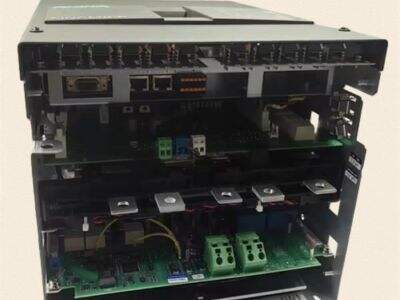
PLC (Programmable Logic Controller) modules are not perfect, and there will be times when things do not go as planned. These issues can delay and halt production in industries. HYST realizes that this has been difficult for employees and employers. This article is going to discuss some common faults of plc module and how to resolve them. We want to empower you to address these problems with confidence and continue on without a hitch.
HOW TO TROUBLESHOOT AND FIX YOUR PLC MODULE COMMUNICATION ISSUE?
A major issue with PLC modules is their inability to communicate. This leaves the PLC unable to transmit/receive messages correctly. First would be to look for indications on the PLC lights. If they are not blinking the way they're supposed to, something could be wrong. Next, look at the cables. Are they plugged in tightly? Sometimes a cable just runs loose. If all is well, try restarting the PLC. Shut it down and restart. Many problems arise as a result of not having done this simple step.
If the issue still persists, you should make sure that the settings are correct. There is also a configuration on each PLC that tells it how to talk. Check that the settings are correct for the devices you’re trying to connect. If you have a computer connected to the PLC, or if your laptop has access to the PLC network, check for error message. These messages can offer you hints about what’s ailing.
And finally, if you still can’t locate the problem, make the call to get some help. HYST has professional staff to help you. Every now and then, all you really need after struggling with a tough problem is a fresh pair of eyes. Communication between devices is crucial and therefore it is important to always watch the behavior of your PLC modules.
What Are the Most Common PLC Module Problems in Industrial Uses?
In the industry, you can have different problems with PLC modules. One of the most common issues is regarding power supply. If a plc control module is not receiving sufficient power, it may fail to operate. Test the power source and ensure that everything is properly plugged in. Another issue is ambient temperature. If the PLC is located in a very hot or cold environment, it may not operate correctly. A stable environment is crucial to good operation of a PLC.
Software bugs are another common complaint. Other times the software that is used to program the PLC can have bugs or be flawed. This may occur after an update or modification. It’s important to keep all software up to date, but also back it up. You can revert to the previous version if something goes wrong. HYST understands that keeping software operational is essential for production.
Finally, module incompatibility may also be a problem. Plc Retrofit Into An Existing System If you add new modules on your existing Plc system, they need to be compatible. There are instances, however, when an old module won’t play nice with a new one. But if you’re planning to do anything different, double check the measurements in the specs below before changing anything.
By knowing these issues, you’ll be able to avoid them entirely or correct as soon as you can. HYST is there for you for all of your PLC requirements to help keep things running smoothly.
Resolving common overheating problems with PLC modules
PLC modules are critical components in machines, contributing to the control of various processes. Occasionally, these modules can overheat. An overheating PLC module might stop working, or get damaged. To overcome this problem, you must first understand why they are producing the heat. One frequent cause of overheating is inadequate air flow. PLCs can overheat, especially if they are in a confined space with insufficient airflow. You can remedy this by verifying if there are sufficient air vents all around the module. You can also utilize fans to aid in circulating air throughout the PLC. Another cause of overheating might be load overkill. If the PLC is attempting to monitor too many devices or processes at the same time it may become bogged down and fail. To solve this, take inventory of all the things that PLC control. If it is, use more of them or switch to a larger one.
And also see if the power supply outputs the correct voltage. When the voltage is too high, it can force the PLC to work overtime and overheat. Check if there are matched power supply for PLC. Another tip is to maintain the module clean. Vents becoming congested with dust and dirt can cause them to be blocked, meaning the PLC struggles to cool. Take the dust-off around of PLC so as not to accumulate. Finally, if you have try these above workarounds and the module still overheats, now would be a good moment to reach out to HYST. They can diagnose what’s wrong, and advise you on the best solutions. Cooling your PLC module is essential to its performance and life.
Where to Get Quality PLC Module Not Prone to Frequent Faults?
It is very crucial to get good quality PLC modules. Low quality modules can cause many headaches, downtime and expenses. Begin with finding reputable sources of the PLC modules. HYST is the best site to get good plc modules you can trust. They provides items of high quality and accessorize by optimizing their own goods. ALWAYS read reviews or ask someone who has experience when you shop for PLC cards. Positive feedback, after all, means the product is likely to work.
Another advice is to inquire with supplier about the warranty. A solid warranty indicates that the company is confident in its product. And if anything goes wrong, a warranty could spare you cash and a headache. Opt for a supplier who also offers some manner of support. It’s useful to have someone, however remote, you can talk to if you hit a brick wall. Good customer service isn’t something strange on the side, but it’s a big part of what sets HYST apart from the competition. Also, purchasing from a local source might be advisable. If you do need replacement or repair, then this way they have it on hand right away. It’s also a good way to save on the shipping costs. Just keep in mind that you might end up regretting not spending a little extra on good quality PLC modules.
What Are The Common PLC Module Wiring Mistakes to Avoid?
It is important to wire a PLC module correctly if you want it to work. Wiring errors can cause many problems. There are many ways to mess this up, such as wiring to the wrong terminals. Every terminal on the PLC has an application and as with any other prohibitive condition, things might not work when you jumble it up. ALWAYS verify your wiring with the manual that was provided to you by HYST. The manual will tell you exactly which one each wire goes to.
Using the incorrect wire is another error. It’s vital to use wires that can tolerate the current and voltage required by your own PLC. If the wires are too fine, they can get hot and lead to trouble. It’s important to use the proper gauge wire based on your config. It’s also important to keep wires organized and labeled. He doesn't want you to get confused when troubleshooting. Messy wires also can introduce mistakes and obscure problems that arise.
Also, make sure to keep everything connected. Intermittent problems that you can’t pin down can be due to loose wires. Use the right connectors, and ensure everything is tight. Finally, do not route wiring for a PLC near high voltage. This in turn may interfere with the operation which can result in malfunctions. By organizing your wiring and making it always in accordance with these tips you will be able to prevent your PLC module from being working as expected. If in doubt, we at HYST are here to give help and assistance for your wiring requirements.
Table of Contents
- HOW TO TROUBLESHOOT AND FIX YOUR PLC MODULE COMMUNICATION ISSUE?
- What Are the Most Common PLC Module Problems in Industrial Uses?
- Resolving common overheating problems with PLC modules
- Where to Get Quality PLC Module Not Prone to Frequent Faults?
- What Are The Common PLC Module Wiring Mistakes to Avoid?